



Greece tours give history lovers a clear path through the oldest stories in Europe. You walk where philosophers argued, athletes raced, and generals planned wars. The stones are real, the views are wide, and every site has a tale. A good plan turns a long list of ruins into a trip you enjoy.
At My Greece Tours, we plan trips for travelers who want facts, not fluff. This guide explains how guides, tickets, routes, and timing work, and it shows you how to pick a tour that fits your pace. Read on, and you will know what to book and what to pack.
Why Do History Lovers Choose Greece Tours?
Greece is where many big ideas began, and democracy, theater, and early science all grew here. On a tour, you stand in the places where those ideas took shape. A guide ties each ruin to a person, a choice, or a battle, so the past feels close and clear.
Books show maps and dates, but a tour shows you the hills, the harbors, and the narrow passes that shaped history. You see why a city sat on a rock or why an army chose one road over another. The land explains what text alone cannot, and you never forget it.
Planning alone takes time and care. You must check opening days, book tickets, and work out how to reach remote ruins. A tour handles those tasks for you, since transport, entry, and timing are set before you land. Your energy goes into looking and learning instead of logistics.
Group size matters too. Small groups let you hear the guide and ask questions at every stop. Private tours follow your interests, whether that means war, art, religion, or daily life. Either way, the pace stays friendly, and the stories stay clear and easy to follow.
Good research helps before you book. For extra ideas, browse Greece tours and Tours In Greece to compare trip styles and sample routes. Then talk to a trusted local operator, and choose the plan that fits the eras you love most and the pace you can enjoy.


How Do Licensed Guides Shape Greece Tours?
Only state-licensed guides may lead groups inside Greek archaeological sites and museums. This rule protects the monuments and keeps the quality of the talks high. It also means your guide has trained for the job and earned an official license. You hear facts from a person who knows the subject.
A licensed guide does more than recite dates, because the guide reads the stones for you. A broken column becomes a temple, and a roofless room becomes a royal hall. A pile of rock becomes a market where people once argued about prices. Suddenly the ruins look alive, and you see them as places.
Guides also save you time. They know which gate has the shortest line, where the shade falls, and when the crowds thin out. They lead you to the best views and hold the group together, so nobody wanders off or misses a key stop. You simply walk, listen, and look around.
Themes make the story stick. Look at Greece historical tours to see how a plan can follow kings, wars, or art from site to site. Each stop adds a new piece to the same puzzle, and the whole picture grows clearer by the day. A theme also helps you decide which sites to skip.
A few questions help you judge a guide before you pay. Think about what matters most to you, and ask each operator directly, since clear answers show a team that respects your time. Use the short list below as a checklist when you compare tours and talk with the staff.
- Is every guide state-licensed?
- Which languages does the guide speak?
- How large is the group at each site?
- Does the plan leave time for your questions?
- Do the stops match the eras you love?
Which Ancient Sites Do Greece Tours Cover?
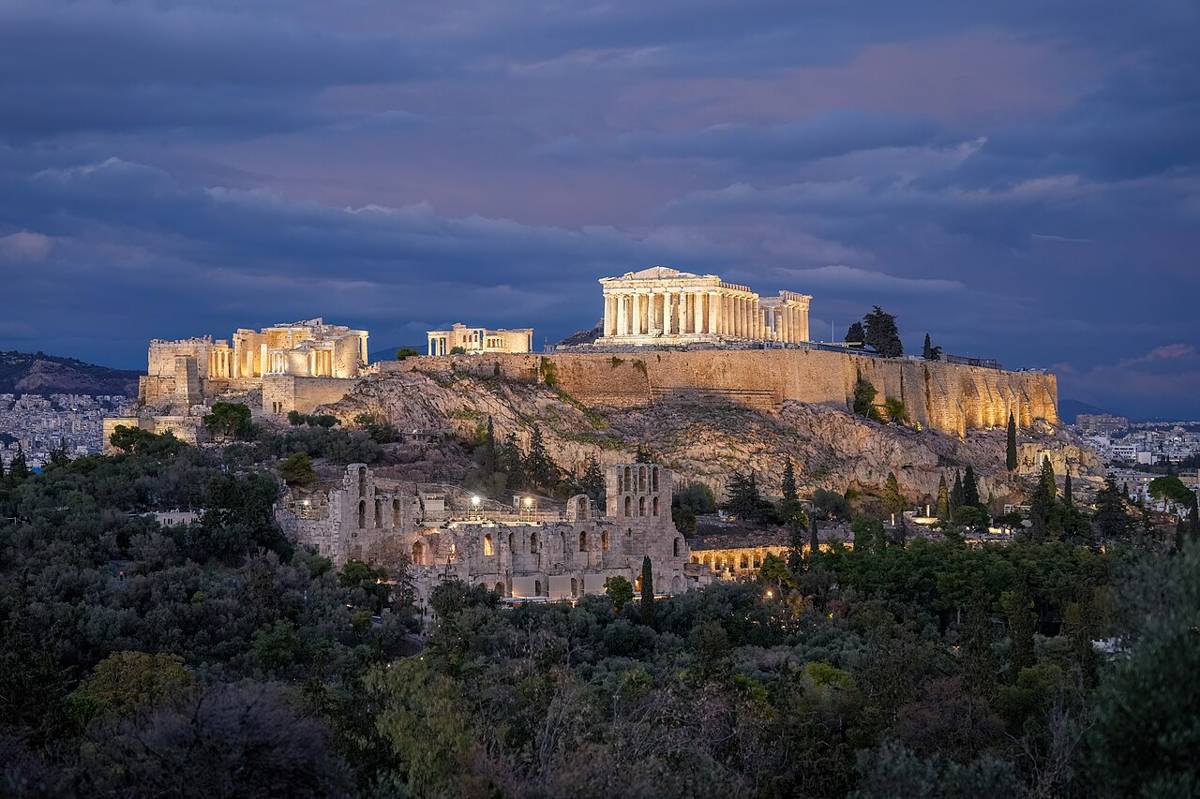
Athens comes first for most visitors. The Acropolis rises above the city, and the Parthenon crowns the hill. Below it lie the Ancient Agora, where citizens met and traded, and the Theater of Dionysus, where the great plays were first staged. One city holds a whole age of ideas.
Delphi sits on a slope of Mount Parnassus. The ancient Greeks believed it was the center of the world, and they came to ask the god Apollo for advice. Today you walk the Sacred Way, see the temple terrace, and look down into a deep green valley. The setting alone is worth the drive.
Olympia is the home of the Olympic Games. You enter the stadium where athletes ran, and you see the ruins of the Temple of Zeus. The site is quiet and green, so the story of sport and peace feels easy to follow. Guides bring the old contests to life with short tales and clear facts.
Mycenae and Epidaurus sit in the Peloponnese. At Mycenae, the Lion Gate guards a hilltop fortress of early Greek kings. At Epidaurus, a healing sanctuary stands beside a theater with famous sound. A person who speaks on the stage is heard in the top rows, and guides love to prove it to the group.
Many more places wait beyond this short list. Crete holds the Minoan palace of Knossos, and the island of Delos was a sacred birthplace of Apollo. Our guide to the top archaeological sites in Greece helps you pick the ruins that fit your trip and your interests.


How Do Greece Tours Handle Museums And Tickets?
Ruins show the place, and museums show the objects. Statues, pottery, jewelry, and tools rest in the cases, and each one adds a human detail. A trip with only sites misses half the story, so museums belong on every history route. They give the empty stones a face and a voice.
The Acropolis Museum in Athens stands close to the hill. Its glass floors let you look down at the ruins of an old neighborhood, and its top floor faces the Parthenon. You can compare the sculptures in the hall with the building outside. The view makes them feel like part of the temple again.
The National Archaeological Museum holds treasures from across the country. You see gold masks from Mycenae, bronze statues pulled from the sea, and delicate wall paintings from the island of Santorini. One visit shows the full sweep of Greek art, from early island figures to grand statues of the classical age.
Tickets are the dull part, but they matter. Busy sites use timed entry, and lines grow long in peak season. A tour operator books slots in advance and holds the passes for the group. You walk in while other visitors still wait at the gate, and your guide has more time for stories.
Always ask whether entry fees are in the price. Some Greece tours include them, and some do not. If you plan a solo visit, read our guide to Acropolis Museum tickets so you know how booking works. Clear costs keep the trip calm, and they stop surprises at the ticket desk.
Which Routes Link The Great Sites On Greece Tours?
Most routes start in Athens because the city has the main airport and the richest museums. From there, roads run north to Delphi and west and south into the Peloponnese. Each direction tells a different chapter of the story, and each chapter adds depth to the one before it.
A classic loop leaves Athens, crosses the Corinth Canal, and visits Mycenae, Epidaurus, and Olympia. It then climbs to Delphi before returning to the capital. This loop covers kings, healers, athletes, and prophets, so it suits first-time visitors. The road views are lovely, and the stops are well spaced.
If time is short, a compact circuit from the capital still covers the heart of the story. See the ancient Greece tour from Athens for an example of a plan that links the main sites without rushing. Good routes cut backtracking and leave time for lunch and rest.
Northern routes lead to different worlds. Meteora has monasteries built on tall rock pillars, and Vergina holds royal tombs from the kingdom of Macedonia. Thessaloniki adds Roman arches and Byzantine churches, so these stops show how Greek history ran far beyond Athens. They reward visitors who like to look further.
Islands add more layers. Crete shows the Minoans, Rhodes shows the knights of the Middle Ages, and Delos shows a sacred island that was once a busy port. Ferries link them to the mainland, so many travelers add an island to the route. A short sea trip brings a fresh view of the past.


How Do You Prepare For Greece Tours Of Ruins?
Good shoes come first. Ancient paths are rough, steep, and uneven, and marble gets slick. Choose sturdy shoes with grip, and leave sandals and smooth soles at the hotel, since a slip on old stone can ruin the day. Comfortable feet let you enjoy every story the guide tells.
Sun is the next problem. Many sites have little shade, so a hat, sunglasses, and sunscreen are a must. Carry a refillable water bottle and drink steadily. A light scarf also helps you cover your shoulders when the heat is strong, and slow, calm steps help on the hottest days.
Timing shapes the whole day, and early morning brings cooler air, softer light, and thinner crowds. Read the guide to the best time to visit the Acropolis before you pick your days. The same rule works at other big sites and saves you from the worst heat.
Do a little reading before you fly. Learn the names of the main gods and a few famous events, but do not worry about becoming an expert. A simple outline helps the stories land, so the guide can go deeper at each stop. A short book or a few videos at home are plenty.
Pack light and plan for walking. A small bag, a phone with offline maps, and a spare charger are enough. Keep a copy of your passport and your tickets in one place. Some sites check bags at the gate, so a smaller bag saves time and keeps your hands free for photos.
How Do You Choose The Right History Greece Tours?
Start with your own interests. Some travelers love the age of heroes, and others love the Roman or Byzantine era. Pick the periods you care about most, then look for a tour that spends real time on them rather than rushing through everything. A focused plan always beats a packed one.
Check the pace next. A tour with early starts and long drives packs in many sites but leaves little room to think. A slower tour sees fewer places and understands them better. Match the pace to your health, your energy, and your patience, since a pace you enjoy makes the history easier to absorb.
Read the details of the program line by line. Our guide to choosing the right Greek tour lists the key points, from group size to hotel location. Use it as a checklist before you pay a deposit, because a few minutes of reading now saves a lot of stress later.
Look for clear answers on guides and entry. A good operator names its licensed guides, lists the sites, and states what is included. Vague plans lead to surprise costs, while clear plans lead to calm days. Ask for the full program in writing and keep it with you on the trip.
Last, check reviews from real travelers. Look for comments about the guide, the pace, and the care shown at each stop. Choose the tour that treats history with respect and treats you like a guest. That match turns a good trip into a great one, and it gives you stories to share back home.
Conclusion: Greece Tours For History Lovers, Made Simple
Greece tours turn ancient names into places you can touch. With a licensed guide, a smart route, and booked tickets, each ruin becomes a story you remember. The plan does the hard work, and you enjoy the view, the facts, and the fresh air. History stops being a school subject and becomes a living trip.
Start small and choose with care. Pick a few themes, choose a pace that suits you, and book early for the busy months. Then pack your shoes and your curiosity. The oldest stories in Europe are ready, and the stones are waiting for you to walk among them.
Frequently Asked Questions About Greece Tours For History Lovers
Are Greece tours good for history lovers with little background?
Yes. Guides explain each site in plain words, so you do not need to know the names in advance. Start with a theme you like, and the stories will build your knowledge step by step, one stop at a time.
How many days do history Greece tours need?
A short tour covers the Athens highlights, while a longer tour adds Delphi, Olympia, and the Peloponnese. Choose the length by the number of sites you want to see without rushing. Slow days with fewer stops teach more than fast days with many.
Do Greece tours include museum entry?
Each operator sets its own package, so the answer changes from one company to the next. Some Greece tours include museum and site entry, and others list it as an extra. Ask for the program in writing before you book.
What is the best season for history Greece tours?
Spring and autumn bring mild weather and softer light. Summer brings strong heat and large crowds at the main sites. Winter is quiet, but some sites close earlier and rain is more common, so pack a light jacket.
Are history Greece tours hard on the legs?
Yes, most sites need walking on steep, uneven stone. Good shoes, rest breaks, and water make the day easier. Tell the operator about any mobility needs so the guide can adjust the route and pick the gentlest path.
Can history Greece tours be private?
Yes. Private tours follow your pace, your interests, and your schedule. A licensed guide stays with your group alone, which makes questions easy and keeps the day flexible for everyone.
How do Greece tours explain Greek history to beginners?
Greece tours explain Greek history to beginners by starting with a simple timeline and linking every stone to a clear story. Guides use plain words, maps, and short scenes, so nobody needs a history degree to follow along. Many travelers also read up on basic Greek history before the trip.
How do guides turn a timeline into a story?
Guides start with the main eras in order: early palaces, city-states, empires, and modern Greece. Each era gets one clear idea and one famous place to hold it in memory. This keeps the whole timeline short enough to recall after a long day on foot.
On site, the guide points to a column, a wall, or a floor and says what happened there. Good Greece tours keep every fact tied to a real object that the group can see up close. A beginner can see the story instead of memorizing dates.
Some Greece tours also use a printed picture that shows how a ruin looked when it was new. Beginners hold the picture beside the real stones, and the lost parts come back to life. This small trick makes the past much easier to picture.
Guides on Greece tours repeat key names a few times during the day. A name heard at the first stop returns at the last one, so strange words become familiar. By the end, beginners can place a temple, a ruler, and a war on one simple line.
How do myths help beginners follow the history?
Myths give beginners a hook, because a tale about a hero or a god is easy to remember and points to a real place. Many Greece tours pair each myth with a ruin, so the tale and the site stay together.
Travelers who like this style can read the myth to map travel guide before they pick a route. It links famous legends to real places on a map, so the plan is easy to build. That turns a day of walking into something close to a treasure hunt.
On Greece tours, Athens works well for a first lesson. The mythology sites in Athens sit close together, so a guide can tell many tales in one walk. Beyond the capital, travelers can find the top Greek mythology sites at places such as Delphi and Olympia.


How do Greece tours deal with heat at open-air ruins?
Greece tours deal with heat by moving walks to the cooler hours, adding shade breaks, and reminding travelers to drink water often. The guide watches the group and slows down when needed. Summer is hot and dry, and most ruins have little shade, so this plan matters.
Why do early starts and late visits help?
The sun is weaker early in the morning and late in the afternoon. Many Greece tours start soon after the gates open for this reason. The stones also hold less heat at those times, so the walk feels easier.
Early starts also ease the crowds, because a guide can plan the stops so the group reaches the busiest spot first. This advice on avoiding crowds at the Acropolis adds more ideas for a calmer visit.
Booking ahead helps too, because a ticket line in full sun is hard on the body. Readers can learn how to skip the lines at the Acropolis and save time and energy. Less waiting means less time in the heat, which matters on Greece tours in summer.
The middle of a summer day is the hardest time. Marble reflects the sun, and the glare adds to the heat. For this reason, guides often plan indoor stops, such as museums, for those hours.
What do guides do on a hot day?
Guides plan short talks in the shade of a tree or a wall. Travelers listen while they rest, and the group does not stand in the open sun. Then the group moves on at an easy pace.
Strong Greece tours also build in a cool break. A shaded cafe or a quiet courtyard gives the body a rest and lets everyone refill a water bottle. Guides often change the plan on a very hot day.
Water is the key tool, and guides remind travelers to drink small amounts often instead of waiting until they feel thirsty. A personal bottle is the safer plan, because the best viewpoints sit far from any shop.
Guides on Greece tours also watch for signs of heat stress, such as headaches, dizziness, or heavy sweating. They ask the traveler to sit in the shade and sip water. Travelers should tell the guide early if they feel unwell, since a small problem is easy to fix.
What should travelers wear and carry on history Greece tours?
Travelers on history Greece tours should wear light clothes, a hat, and sturdy shoes with good grip, and carry water and sunscreen. Marble and loose stone are slippery, so shoes matter most. A small bag keeps the hands free.
What clothes and shoes work best at ancient sites?
Light, loose clothes in cotton or linen keep the body cool, and light colors reflect the sun. A hat with a brim and a scarf for the neck add shade where the ruins have none.
Shoes matter more than anything else. Old paths have uneven stones, steps, and smooth marble that turns slick. Closed shoes with a firm sole are the safest choice, and high heels are banned at the Acropolis.
New shoes can cause blisters, and a blister can ruin a long day of walking. Travelers break in their shoes at home before the trip. Thin socks that wick away sweat also help.
Many Greece tours also stop at churches or monasteries, where covered shoulders and knees show respect. A light scarf or shawl solves the problem in seconds. In the cooler months, a thin jacket helps on windy hills.
What should travelers carry in a day bag?
A small day bag holds the basics. Rules at some sites limit large bags, so a light pack is the smart choice. Guides on Greece tours suggest keeping the list short.
- A refillable water bottle
- Sunscreen and lip balm
- Sunglasses and a hat with a brim
- The entry ticket and a copy of the passport
- A phone with a full battery
- A snack that will not melt
Safety covers more than packing, and these safety tips for Greece tourists add useful advice for the whole trip. Greece tours often repeat the key points on the first morning.
Shoes and sun are two things to plan for, and this list of Acropolis visitor mistakes to avoid adds more. Most mistakes are easy to fix before the day begins. Clear packing advice from Greece tours makes the day easier.
How do Greece tours protect fragile sites?
Greece tours protect fragile sites by staying on marked paths, keeping groups together, and following the rules set by the Greek state. Licensed guides teach each visitor what not to touch. This care keeps the ruins safe for the next traveler.
Why do only licensed guides lead groups inside sites?
Only state-licensed guides can lead groups inside Greek archaeological sites and museums. They study Greek history and learn the rules for each place before they earn a license. This protects both the visitors and the ruins.
A licensed guide also knows the weak spots. Some steps are worn, some walls are loose, and some floors are covered for protection. The guide steers the group away from them and explains why.
Travelers who want to compare choices can read about Acropolis guided tours and what a guide adds. Good Greece tours hire guides who explain the rules in friendly words, not harsh orders.
Conservation work also goes on at many sites, and fences, scaffolds, and cranes are a common sight. Guides explain that this work protects the stone for the future. Greece tours plan routes around closed areas, so the group never crosses a barrier.
What rules should visitors follow at ancient sites?
The main rules are simple: visitors stay on marked paths, never climb on ancient stones, and never take a pebble or a shard home. Greek law protects antiquities, and removing them is a crime.
Touching also causes harm, even when it feels gentle. Many hands on old marble slowly wear it down. Guides ask travelers to point with a finger in the air, not on the stone.
Drones, tripods, and food can also cause trouble, so travelers follow the signs and the guards. Greece tours remind the group of these rules before each entrance. A practical guide to ancient Greek ruins lists what to see and how to visit each place.
Care for the rock itself goes on behind the scenes. A story about the old Acropolis Museum reopening adds more on the sacred rock. Visitors who hear this story on Greece tours treat the site with more respect.


Which Greece tours follow the Peloponnese ruins?
Greece tours of the Peloponnese ruins link Corinth, Mycenae, Epidaurus, Nafplio, Olympia and Mystras in one road trip from Athens. Each stop adds a different chapter of Greek history. Only state-licensed guides lead groups inside the sites and museums.
Corinth Canal, Mycenae and the Lion Gate
Many Greece tours begin at the Corinth Canal, a narrow channel cut through solid rock. Coaches stop at a viewpoint for a short look down at the water. The canal marks the gateway to the Peloponnese.
Ancient Corinth lies close to the canal. Its ruined Temple of Apollo and old market square show a rich trading city. The rock fortress of Acrocorinth rises behind it.
The next stop is Mycenae, the hilltop home of the legendary king Agamemnon. Visitors walk through the Lion Gate, where carved lions guard the entrance. Guides explain the treasures unearthed in Mycenae and the royal graves that held them.
Inside the walls, a circle of royal graves marks the oldest part of the citadel. Outside them, a beehive tomb called the Treasury of Atreus is a huge stone chamber built into the hillside. Its scale shows how rich and powerful Mycenae once was.
Good Greece tours give Mycenae a full morning. Guides link the stones to Homer’s poems about the Trojan War. The ruins then feel like a real story.
Epidaurus, Nafplio, Olympia and Mystras
Epidaurus holds the best preserved ancient theatre in Greece. Its sound is so clear that a whisper on the stage reaches the top rows. Guides at the Epidaurus theatre and sanctuary also explain how the site served as a healing centre for the god Asklepios.
Nafplio works as the base for these Greece tours. The seaside town was the first capital of modern Greece. Its Venetian fortress and old lanes suit an evening walk.
Olympia is the birthplace of the ancient Games. Visitors see the stadium, the ruined Temple of Zeus and a museum of fine sculpture. A walk through Olympia and the first Games brings the athletes’ world to life.
Mystras sits on a hill above Sparta. This Byzantine city has painted churches, steep lanes and the ruins of a palace. Read about Mystras tours before choosing a route.
At Mystras the last Byzantine rulers of the region lived in the palace before the Ottomans took the city. Frescoes still cover the walls of several churches. Guides help visitors read the saints and the symbols.
The roads between the sites are part of the trip. The guide to scenic drives in mainland Greece shows the views on the way. Greece tours by car or small coach stop for photos along the coast and in the mountains.
Which Greece tours reach Delphi and the oracle?
Greece tours reach Delphi from Athens by road and combine the Temple of Apollo, the museum and the mountain village of Arachova. The ancient Greeks believed Delphi was the centre of the world. Pilgrims came to ask the god Apollo for advice.
The Temple of Apollo and the Pythia
At the sanctuary, a priestess called the Pythia spoke for Apollo. Rulers asked her about war, trade and new colonies. Her answers were short and puzzling, so listeners had to work out the meaning.
The Athenian Treasury stands beside the path. City states built small treasuries like it to store gifts for the god. Each one also showed off the wealth and pride of its city.
Guides on Greece tours explain this ritual step by step. The Sacred Way climbs past old treasuries to the Temple of Apollo. A Temple of Apollo private tour gives extra time for questions at the columns.
Delphi is also a calm place to learn. Greece tours that arrive early meet fewer crowds on the steep paths. Good shoes and water make the climb easier.
Delphi museum, theatre and Arachova
Above the temple sit the theatre and the stadium, with wide views over the valley. The museum holds the bronze Charioteer, one of the finest ancient statues in Greece. A short read on Delphi and its ancient oracle helps plan the day.
Most Greece tours to Delphi include these stops. The order changes with the guide and the weather.
- A walk along the Sacred Way
- The Temple of Apollo
- The theatre and the stadium
- The museum and the Charioteer
- Lunch or coffee in Arachova
Arachova is a stone village on the slopes of Mount Parnassus. Greece tours stop here for coffee, local food and woven rugs. The village is a relaxed end to a day of ancient stones.
Which Greece tours explore Minoan Crete?
Greece tours of Minoan Crete start at Knossos near Heraklion, then visit the Heraklion museum and the palace of Phaistos. The Minoans built the first great civilisation of Europe. They lived on Crete long before classical Athens.
Knossos palace and its myths
Knossos is the largest Minoan palace on Crete. Greek myth places the Minotaur and his maze, the labyrinth, here. Guides on Greece tours separate the myth from the real finds.
A guide explains the ancient Minoan civilization at Knossos using the red columns and wall paintings. The British archaeologist Arthur Evans dug the site and rebuilt some parts. Guides point out what is original and what is new.
The history of the Palace of Knossos covers these digs and rebuilds. Other questions stay open. The mysteries of the Palace of Knossos include the bull images and how the palace fell.
Greece tours that reach Knossos early avoid the midday heat. The site has little shade, so a hat helps. Visitors stay close to the guide to hear each story.
The wall paintings show dancers, dolphins and bulls. Most of those on the walls are copies, and the originals sit in the museum. The images show how the Minoans saw the sea, sport and religion.
Heraklion museum and Phaistos
The Heraklion museum holds the finds from Knossos and other Minoan sites. Visitors see the snake goddess figures and the bull-leaping fresco. The Phaistos Disc is there too, a clay disc stamped with signs that nobody has read.
Linear A is the script of the Minoans, and scholars still cannot read it. Later Greeks on Crete used Linear B, which experts have decoded as an early form of Greek. These signs explain why the Phaistos Disc fascinates visitors.
Phaistos lies in the south, above the Messara plain. The palace has a wide view of the plain and the mountains. It shows less rebuilding than Knossos, so the old stone looks closer to its first form.
Greece tours of Crete work well as day trips from the main towns on the north coast. Shared Greece tours cost less than private ones. Private guides give more time for questions and a flexible pace.
Which Greece tours cover Rhodes and the Dodecanese?
Greece tours of Rhodes explore the medieval old town, the Lindos acropolis and day trips by boat to nearby islands such as Symi. The Dodecanese is a group of islands in the south-east Aegean, close to Turkey. Rhodes is its largest island and its main base.
Rhodes old town and the Knights
The old town of Rhodes was built by the Knights of St John, a medieval order. High walls, a moat and old gates still ring the town. It is a World Heritage Site.
The Hospital of the Knights now holds the archaeological museum. Its long hall once cared for sick pilgrims and soldiers. The harbour nearby is linked to the Colossus of Rhodes, a giant bronze statue of the sun god Helios.
Visitors walk the Street of the Knights up to the Palace of the Grand Master. Guides on Greece tours explain how the knights defended the island against sieges. The page on Rhodes and its medieval old town adds tips for the visit.
The old town is also a living place. Shops, cafes and homes fill the stone lanes. Greece tours here leave time to wander alone after the guided walk.
Lindos acropolis and Symi
Lindos sits on the east coast, under a rocky hill with an ancient acropolis. The Temple of Athena Lindia stands at the top, inside later walls built by the knights. Visitors climb a steep path, so good shoes help.
The view from the top shows the bay, the sea and the white houses below. Guides explain that Lindos was a rich trading town long before the knights arrived. Its harbour gave ships a safe place to rest.
Symi is a small island with colourful houses that climb the hills above the harbour. Boats leave from Rhodes for a day trip. Many Greece tours add a short stop for lunch by the water.
Symi has a long past in shipbuilding and sponge diving. Guides tell these stories on the quay. Greece tours that mix a bus ride and a boat ride fill a full day.
Greece tours in the Dodecanese suit travellers who like islands as much as ruins. The mix of castles, temples and harbours shows how many powers once ruled the sea.
Which Greece tours visit Cape Sounion and the Temple of Poseidon?
Many Greece tours from Athens include Cape Sounion as a half-day coach trip that ends with sunset at the Temple of Poseidon. The cape sits at the southern tip of the Attica coast, where land meets open sea. Guides time the visit so the light turns gold among the columns.
What a half-day trip to Cape Sounion looks like
A sunset trip leaves Athens in the afternoon and follows the coast road past beaches and quiet bays. Visitors reach the temple with time to walk the site before dark. The Athens to Cape Sounion sunset trip shows how a day like this runs.
Greece tours of this kind use a coach and a guide who tells stories about the sea and the old gods on the drive. Only state-licensed guides may lead groups inside Greek archaeological sites, and Sounion follows that rule. Free time at the end is left for photos and a quiet look at the water.
What visitors see at the Temple of Poseidon
The temple was built in the Doric style, the plainest of the Greek column styles. Its slim marble columns have long grooves from top to bottom. Greece tours point out how the architectural features of the temple suit a spot that sailors saw from far away.
Sailors used the white temple as a landmark and prayed to Poseidon for safe water. Guides describe the ancient ceremonies at the temple and the gifts that worshippers left. Greece tours often mention the poet Lord Byron, who carved his name on a column.
A smaller shrine to Athena also stood on the headland. Visitors can still see its low stones near the main temple. The two buildings show how sailors honoured both the sea god and the guardian of Athens.
Finds from the site, such as statues, now sit in museums. The artifacts found at the temple help explain how people worshipped here. The sun then drops, and the sunset views at Poseidon’s temple show why Greece tours go late in the day.
Which Greece tours explore Athens beyond the Acropolis?
Greece tours that look beyond the Acropolis add the Ancient Agora, the Temple of Hephaestus, Kerameikos, Plaka and the city’s main museums. These stops show daily life, burial and craft in the ancient city. Together they fill a day on foot.
The Ancient Agora, the Temple of Hephaestus and Kerameikos
The Ancient Agora was the market and meeting place of old Athens, where people shopped, traded and talked politics. Above it stands the Temple of Hephaestus, one of the best kept temples in Greece. Greece tours walk between the two with a guide.
Kerameikos was the potters’ quarter and a large cemetery of ancient Athens. Its tombs and carved grave stones show how Athenians remembered the dead. Many Greece tours use it as a calm stop away from the crowds.
Plaka, Lycabettus and the museums
Plaka is the old neighbourhood below the Acropolis, with narrow lanes, small shops and cafes. A walk there costs nothing, and the free attractions in Athens show more low-cost stops. Many visitors end the day here over a meal.
Lycabettus is the tallest hill in central Athens. From its top, visitors see the Acropolis, the rooftops and the sea. Greece tours use the view to explain how the city grew around the rock.
The Acropolis Museum holds sculpture and finds from the sacred rock. The National Archaeological Museum holds treasures from all over Greece. The guide to the must-see museums in Athens helps visitors choose, and licensed guides lead groups through the halls.
At the Acropolis Museum, glass floors reveal ruins below, and wide windows frame the Parthenon above. A good guide makes the carved figures much easier to follow.
The city rewards a slow pace. Visitors who want more about Athens can start from these stops and add days as needed. Plans can be short or long, so each trip fits the time on hand.
How do Greece tours bring Greek myths to life?
Greece tours link each place to its myth, so guides tell the tales of Poseidon, Athena and Theseus where they happened. A myth is a traditional story about gods and heroes. Ancient Greeks used such tales to explain the sea, storms and the start of their cities.
Poseidon, Athena and the naming of Athens
Gods in Greek belief were powerful beings who lived on Mount Olympus. They acted like people, with jealousy, pride and kindness, which made the tales easy to retell.
Poseidon and Athena once competed to protect the city, says the myth. Athena gave the olive tree and won, so the city took her name. Guides tell this tale on the Acropolis rock, and the Acropolis Museum shows gods and heroes in carved stone.
Poseidon ruled the sea, storms and earthquakes in Greek belief. The page on the importance of Poseidon in Greek culture explains why the sea god mattered so much. Greece tours that stop at Sounion make that bond easy to see.
Theseus, King Aegeus and the Aegean Sea
The best known tale at Cape Sounion is about Theseus and his father, King Aegeus. Theseus sailed to Crete to fight the Minotaur, a beast that was half man and half bull. He promised to swap his black sails for white ones if he lived.
In the story, Theseus forgot the sign, and Aegeus saw black sails from the cliffs. Thinking his son was dead, the king jumped into the sea, which still carries his name. On Greece tours, guides retell the legends tied to Cape Sounion at the cliff edge.
Other myths sit inside the city. Hephaestus, god of fire and metalwork, has a temple above the Agora. Lycabettus has its own tale, in which Athena dropped a rock she was carrying, and it became the hill.
Greece tours join these tales into one route. Each stop gives one story to remember.
- Cape Sounion for Poseidon and King Aegeus
- The Acropolis for Athena and the olive tree
- The Temple of Hephaestus for the god of the forge
- Lycabettus for the rock that Athena dropped
- The National Archaeological Museum for gods and heroes in bronze and stone
With a good guide, a broken column becomes a scene from a story. That is how Greece tours turn old ruins into places that visitors remember.
Which places belong on history Greece tours?
Meteora, Mycenae, Knossos, Naxos and Corfu belong on history Greece tours, because each one shows a different chapter of Greek history. The groups below sort every stop by region. Two regions per trip keep the travel time low.
Mainland
The mainland holds the oldest stories, starting with Mycenae and the kings of Homer’s poems. Meteora and Thessaloniki show Byzantine faith, which grew in the Christian empire that followed Rome. Pelion adds myth and forest walks to Greece tours that lean on history.
- Meteora, known for monasteries perched on tall rock pillars
- Mycenae, known for the Lion Gate and royal graves
- Thessaloniki, known for Roman monuments, Byzantine churches and a waterfront tower
- Pelion, known for centaur myths and old stone villages
Cyclades
The Cyclades are small islands with big stories. Marble, myth and Venetian walls shape each one. Ferries link the islands, so history Greece tours can visit more than one.
- Naxos, known for the marble Portara gate and Venetian castle
- Paros, known for ancient marble quarries and a Byzantine church
- Milos, known for the Venus de Milo discovery and early Christian catacombs
Crete and the Dodecanese
Crete holds the Minoan world, one of the earliest civilizations in Europe. Knossos is its best-known palace, linked to the legend of the Minotaur. The Dodecanese add medieval castles and ancient healing sites.
- Crete, known for Minoan palaces, Venetian harbors and mountain villages
- Knossos, known for the Minoan palace, bright frescoes and Minotaur legend
- Kos, known for the healing sanctuary linked to Hippocrates
- Symi, known for pastel mansions and the Panormitis Monastery
Ionian Islands
Venice ruled these three islands for centuries, and forts, bell towers and Italian-style squares still show it. They suit travelers who want history and easy island time in one trip. Greece tours here mix old towns with quiet bays.
- Corfu, known for Venetian forts and a World Heritage old town
- Kefalonia, known for Melissani cave lake and the pretty harbor of Fiskardo
- Zakynthos, known for Venetian heritage and the poet behind the national anthem
How do history lovers plan Greece tours over eight days?
History lovers plan eight-day Greece tours by starting in Athens, moving north to Delphi, circling the Peloponnese and ending on one island. The route moves from classical Athens back to Bronze Age palaces. The story builds day by day.
Athens ruins
Athens deserves the opening days because it holds the best-known ruins in the country. The Acropolis rises above the city, and the Parthenon, a temple for the goddess Athena, crowns the hill. Early starts beat the heat and the crowds.
Next come the Acropolis Museum, which holds the statues and carvings found on the hill. The Ancient Agora follows, the old marketplace where Athenians met, traded and debated. The Temple of Hephaestus stands there and ranks among the best-kept temples in Greece.
The National Archaeological Museum rounds out the city story. Its halls hold the gold death mask from Mycenae, bronze statues and painted vases. Greece tours that visit the museum first understand the later sites far better.
A clear order saves energy, and this Athens itinerary for first-timers shows how to sequence the main stops. Plaka, the old quarter below the Acropolis, makes an easy place for a first dinner.
One free afternoon fits a coastal drive to Cape Sounion, where the Temple of Poseidon stands above the sea. The day trip itinerary from Athens to Sounion covers the road and the temple stop. Sunset is the famous moment there.
Delphi and the Peloponnese
Delphi comes next, a sanctuary in the mountains northwest of Athens. Ancient Greeks called it the center of the world, and leaders asked the Oracle of Apollo for advice before big choices. The oracle was a priestess who spoke for the god.
Pilgrims washed at the Castalian Spring before they asked the oracle a question. Mount Parnassus rises behind the site, so the setting feels as sacred as the ruins. The long views over olive groves and valleys add to the mood.
The Sacred Way climbs past old treasuries, which held gifts for the god, to the Temple of Apollo. Higher up sit the theater and the stadium. The museum holds the Charioteer, a bronze statue of a young chariot driver.
Guided Greece tours from Athens reach Delphi by road. A night in the nearby town gives more time at the site. The trip then returns toward Athens and turns south.
The Peloponnese holds the Bronze Age, the era of kings, palaces and bronze tools before iron. Mycenae has the Lion Gate and the royal graves linked to King Agamemnon. Epidaurus has a theater so well built that a spoken word reaches the top row.
Olympia is the birthplace of the Olympic Games, and its ancient stadium is still open to walk. Nafplio makes a pleasant base, with a Venetian fortress above the harbor. Ancient Corinth sits beside the canal road on the way.
Mystras, a ruined hill town near Sparta, adds a medieval chapter. Painted churches and a hilltop palace look over the valley. History Greece tours that reach it see the last great flowering of Byzantine culture.
Sparta, close to Mystras, has few ruins to see, yet its soldiers shaped Greek history. A small museum and a statue of King Leonidas tell their story.
One island to close the trip
The last days suit one island, and Crete fits history lovers well. Knossos, the palace of the legendary King Minos, lies near Heraklion. Its bright frescoes show bulls, dolphins and scenes from court life.
The Heraklion Archaeological Museum holds major Minoan finds, so a visit before or after the palace adds context. Naxos is a calmer choice, with its marble gate, Venetian castle and quiet villages. Myth adds to the visit, since Theseus left Ariadne on its shore.
Phaistos, a second Minoan palace on the south coast, looks over a wide plain toward the mountains. Chania, in the west, adds a Venetian harbor with an old lighthouse. Both add depth to the final days.
Guides turn broken stones into stories. A good guide explains which wall belonged to which ruler. The gods shaped daily life, so history Greece tours feel like a story with a plot.
This route fits eight days with room to breathe. Flights, ferries and main roads link every stop, so history Greece tours run smoothly from the first morning to the last.
More questions about history Greece tours
History Greece tours raise a few simple questions about photos, children, meals, day trips, tips and clothing. Each answer below is short, clear and ready to use.
Do history Greece tours allow photography?
Yes, photography is welcome at open-air ruins on history Greece tours, as long as it is for personal use. Drones and tripods need special permission, and flash is banned in museums. Monastery chapels, such as those at Meteora, ban photos inside.
Are history Greece tours suitable for children?
Yes, history Greece tours suit children who enjoy stories, because myths of gods, heroes and monsters bring the ruins to life. Hands-on stops, such as the Lion Gate at Mycenae, hold young attention. Steps, loose stones and summer sun are the main challenges, so hats, water and good shoes matter.
Do history Greece tours include meals?
Meals depend on the tour, so the inclusions list on each booking page shows exactly which lunches or dinners are covered. Greek food is part of the story, from olives and fresh bread to grilled fish and salads. A taverna lunch near the site is an easy way to taste it.
Can history Greece tours be booked for one day?
Yes, history Greece tours can be booked for a single day, and Athens offers day trips to Delphi, Sounion, Corinth and Mycenae. One day suits travelers short on time, while a longer trip allows deeper visits. A single day also lets first-time guests test the style before booking more.
Is tipping expected on history Greece tours?
Tipping is not required on history Greece tours, but a small thank-you for a good guide or driver is a kind gesture. Cash is easiest for tips. At tavernas, rounding up the bill is common.
What should travelers wear on history Greece tours?
Travelers should wear light clothes, sturdy shoes with good grip, a hat and sunglasses on history Greece tours. Marble steps get slippery, and shade is rare on ancient hills. Monasteries ask visitors to cover shoulders and knees, so a light scarf or long trousers helps.